How We Built the Cattle Panel Trellis (And What We've Learned So Far)
One of the greatest joys in my life is growing food and sharing it with the people around me. Dropping a bag of garden goodies on a neighbor's porch unexpected and unannounced never fails to make both of us feel good. Since 2020, my garden has grown a little more each year, mostly so I can multiply these moments.
This year I finally did something I'd been thinking about for a while: I built a cattle panel trellis.
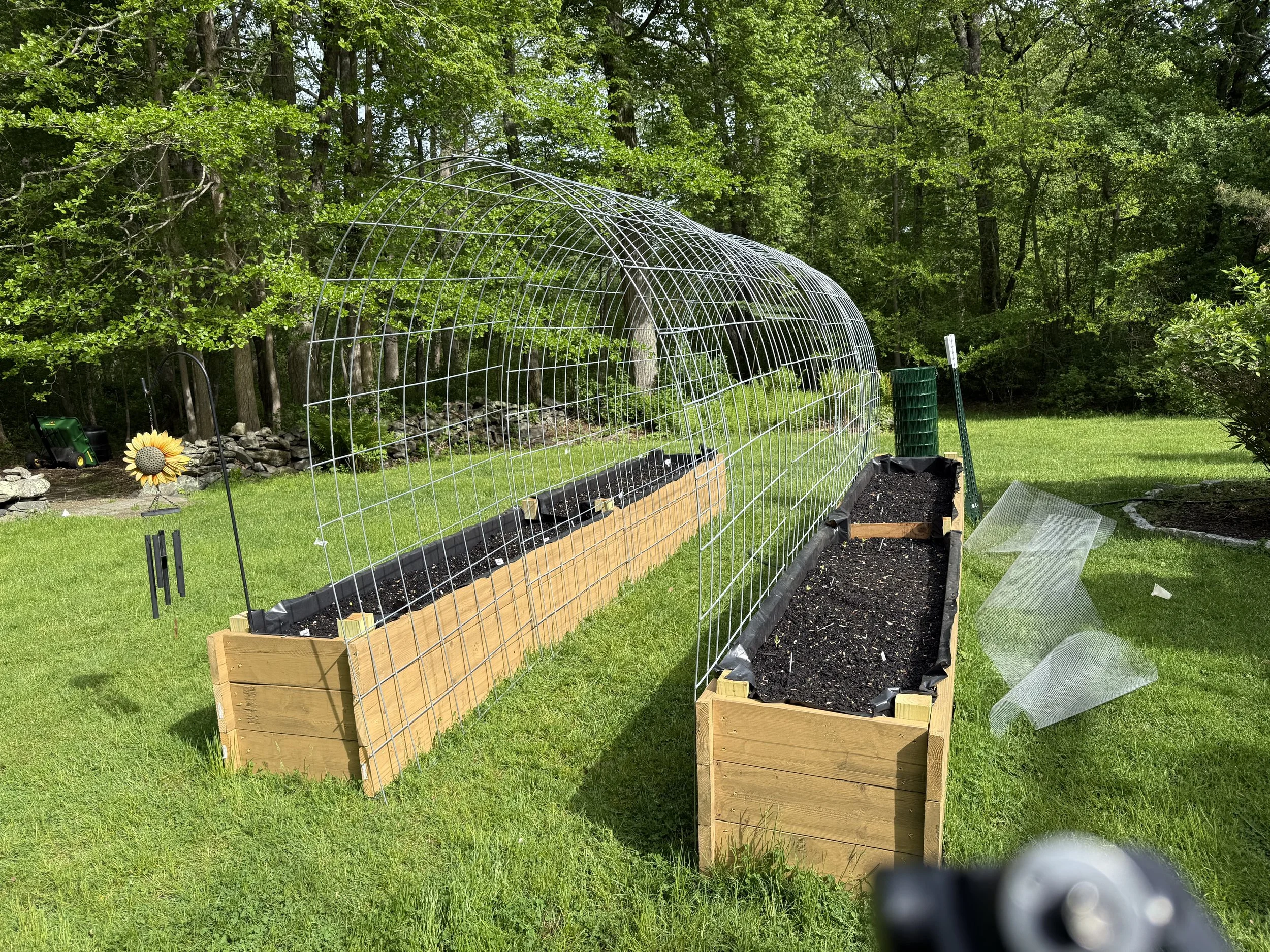
Day one. Empty beds, ready for seeding. ☀️
Why Vertical?
I have limited space and I want to grow more. It's as simple as that.
But there's something else, too. For the past eight years I've had a persistent feeling that we're going to need to grow our own food and share it with our communities. I can't fully explain it. But it sits with me, and it shows up in how I garden.
So this season I decided to stop thinking about vertical growing and start doing it. A cattle panel trellis felt like the right prototype: sturdy, scalable, and a good test of which crops could become signature producers on a larger farm someday.
I'm also thinking carefully about soil. I grow as organically as I can, leaning on vermicompost from my worm farms, traditional compost from yard clippings, and food grounds from my Mill Food Recycler — which turns kitchen scraps into a fine, dry material I add directly to the beds. Combined with premium raised bed soil from Earth Care Farm, these beds started with something alive underneath them. (I LOVE these two products so am sharing the links).
Building It: Easier Than Expected (Mostly)
I watched a lot of YouTube videos before picking up a single tool. Cattle panel trellises looked straightforward — and they are — but there are a few things nobody tells you upfront.
The hardest part wasn't the building. It was getting the panels home.
Cattle panels are full-sized. As in, won't-fit-in-your-car-or-your- husband's-truck full-sized. I ended up renting a U-Haul from Tractor Supply just to transport them — which felt a little absurd and also completely on-brand for this whole project.
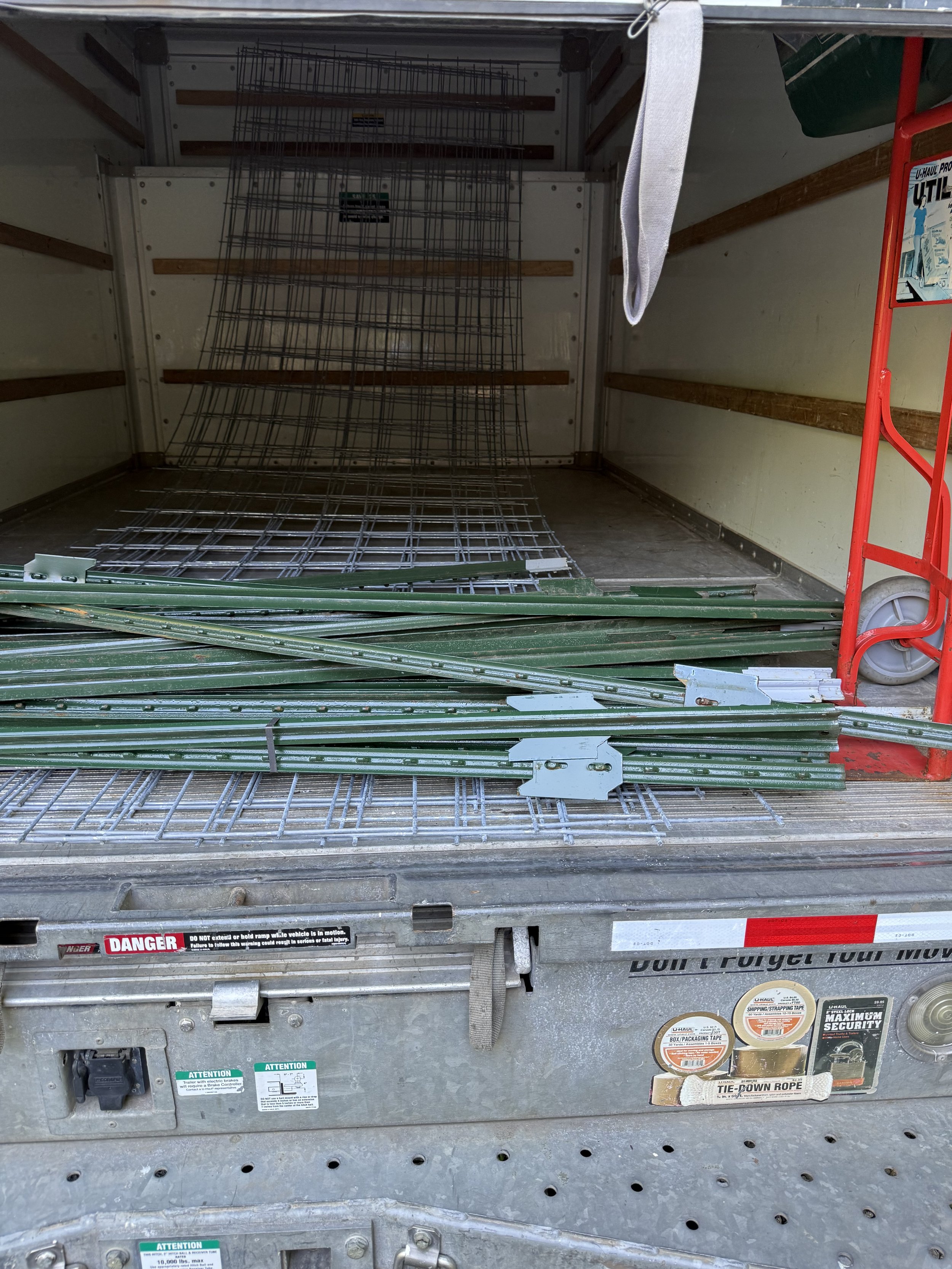
The cattle panels required a U-Haul. Worth it.
The second hardest part was motivating my husband Chuck. But once he was out there with his drill and his straw hat, he was all in.
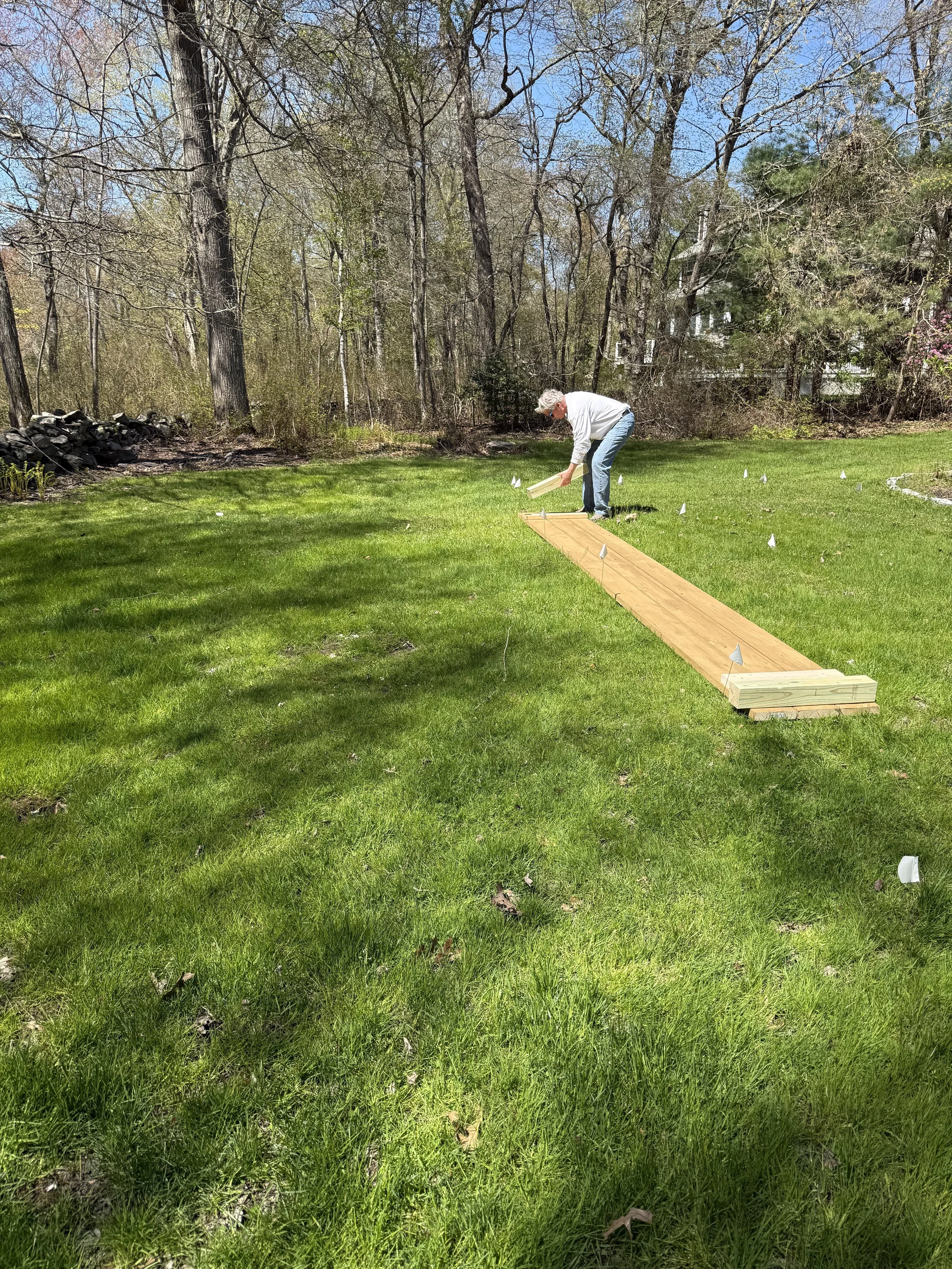
Twenty feet. Every inch of it.
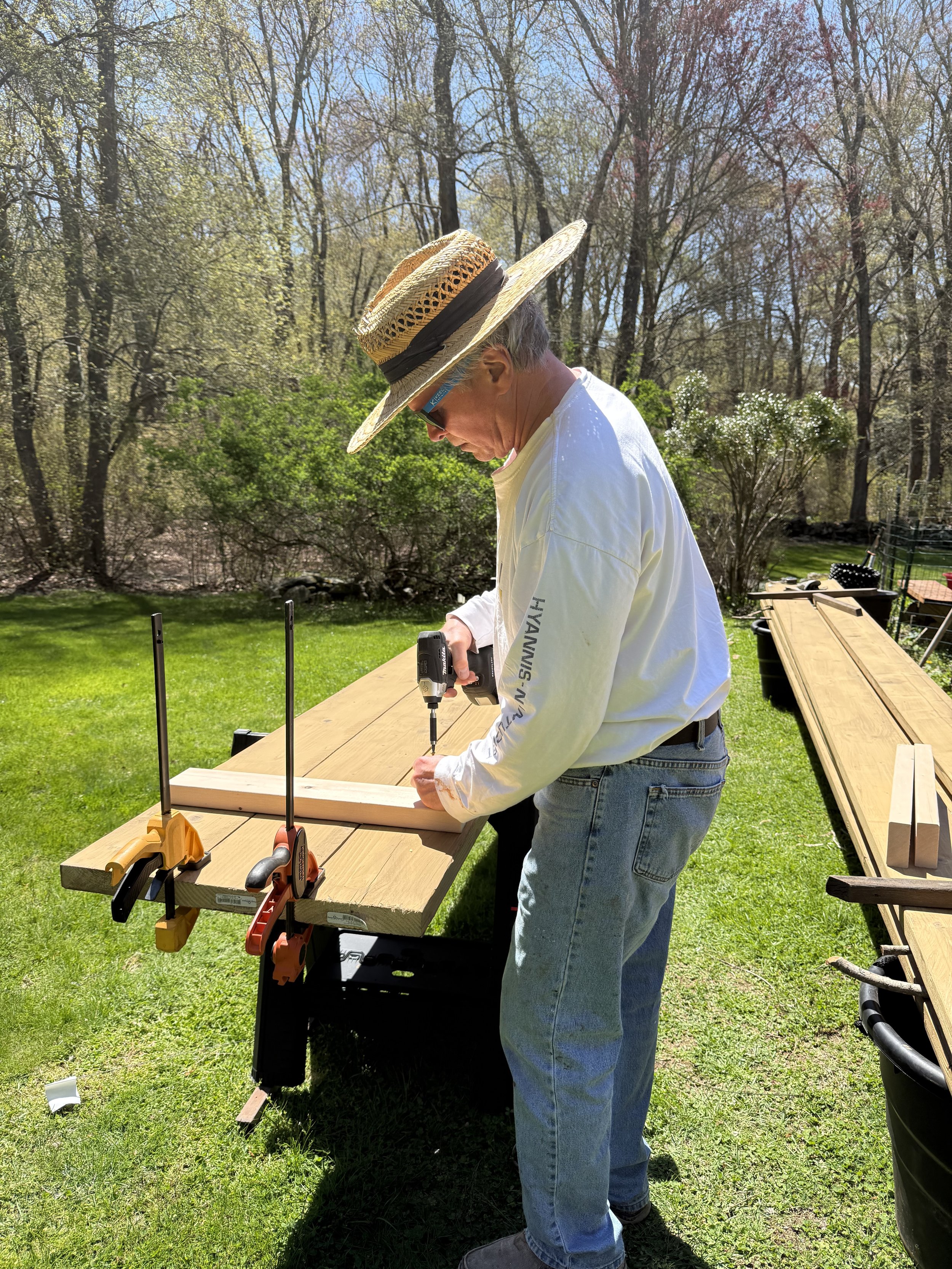
Chuck building the raised beds. Straw hat mandatory.
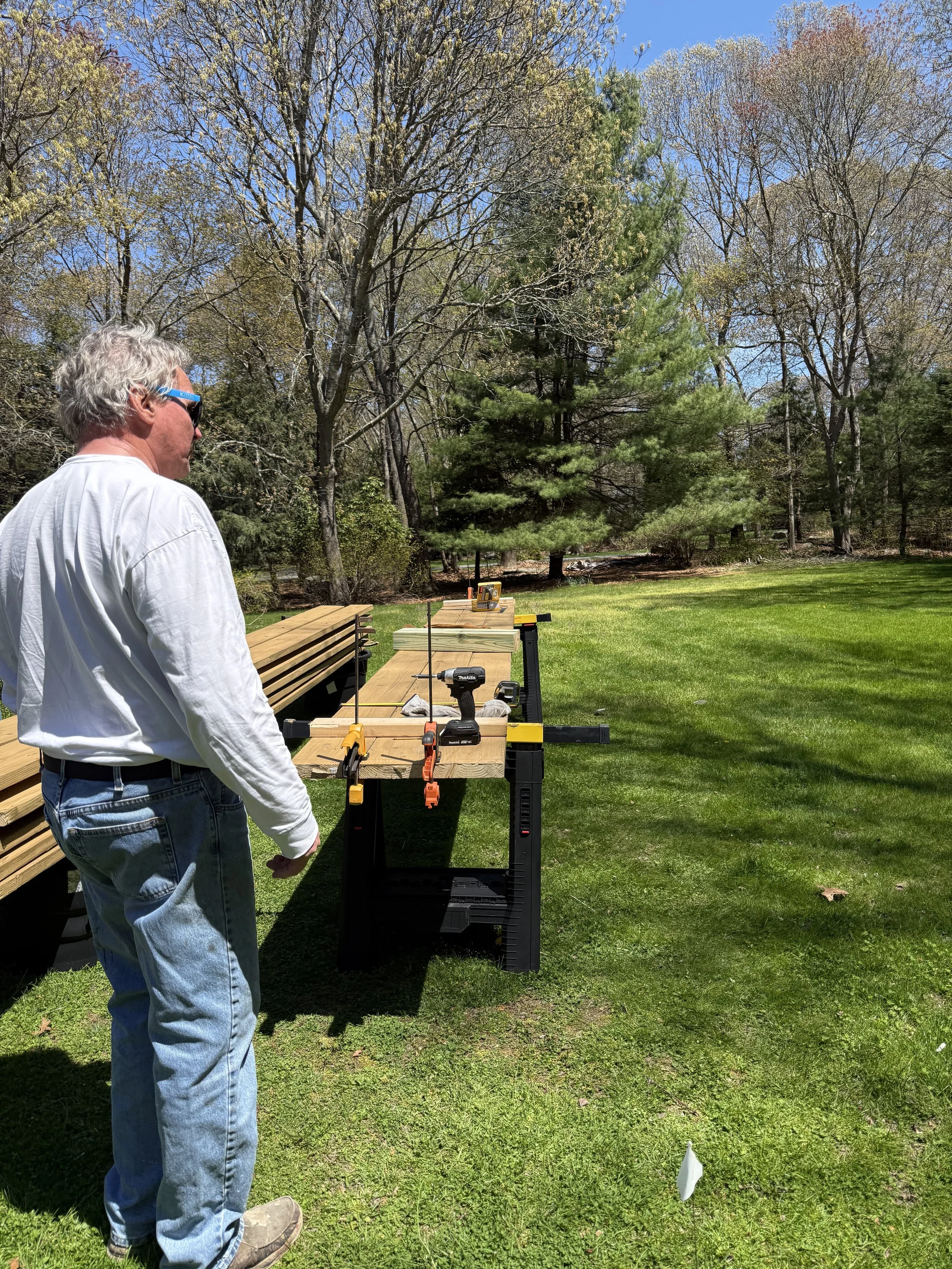
Taking stock before the next cut.
The raised beds went up first — two long cedar boxes, lined and ready.
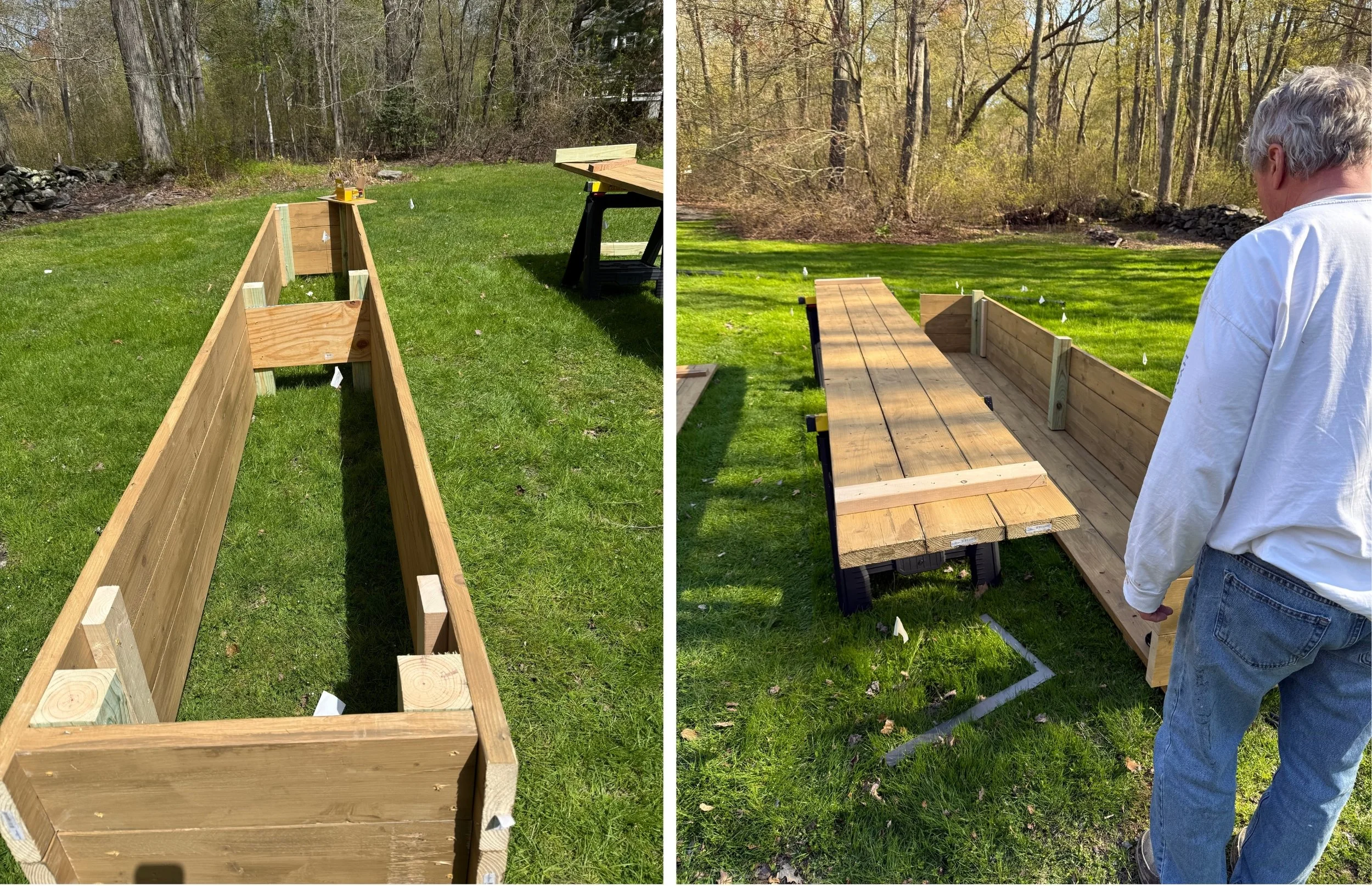
Before the soil. Before the seeds. The beginning.
Twenty feet of possibility.
Then the cattle panels went in, bent into their arch, and suddenly it looked like something.
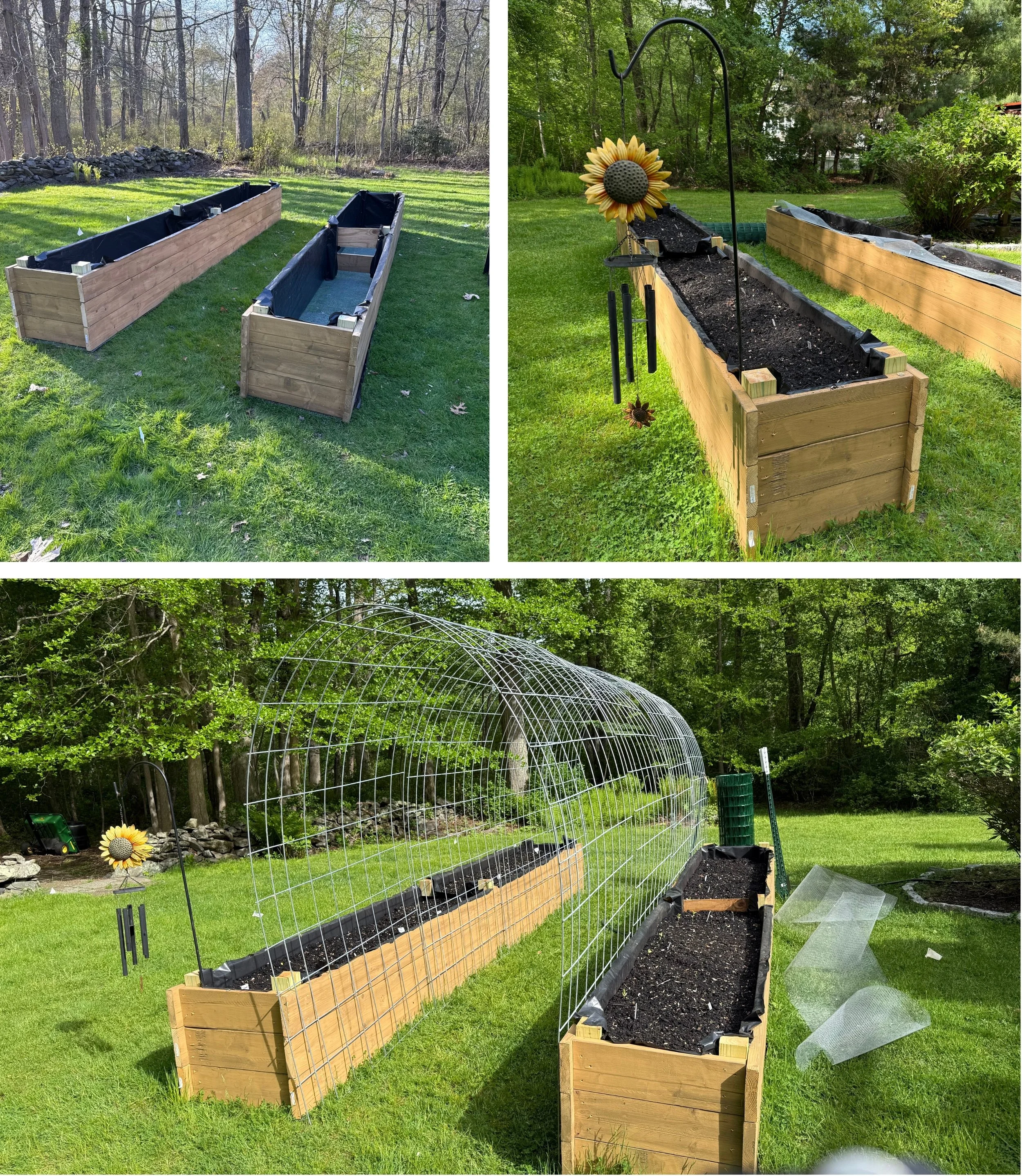
Filled. Ready. Waiting for seeds to grow.
I chose to direct sow most of my seeds rather than transplant seedlings, partly because I had premium soil to work with and partly because I just love watching things come up from nothing. Checking on the beds each morning became the best part of my day.
Watching It Grow
The trellis went through its stages quickly once the plants took hold.
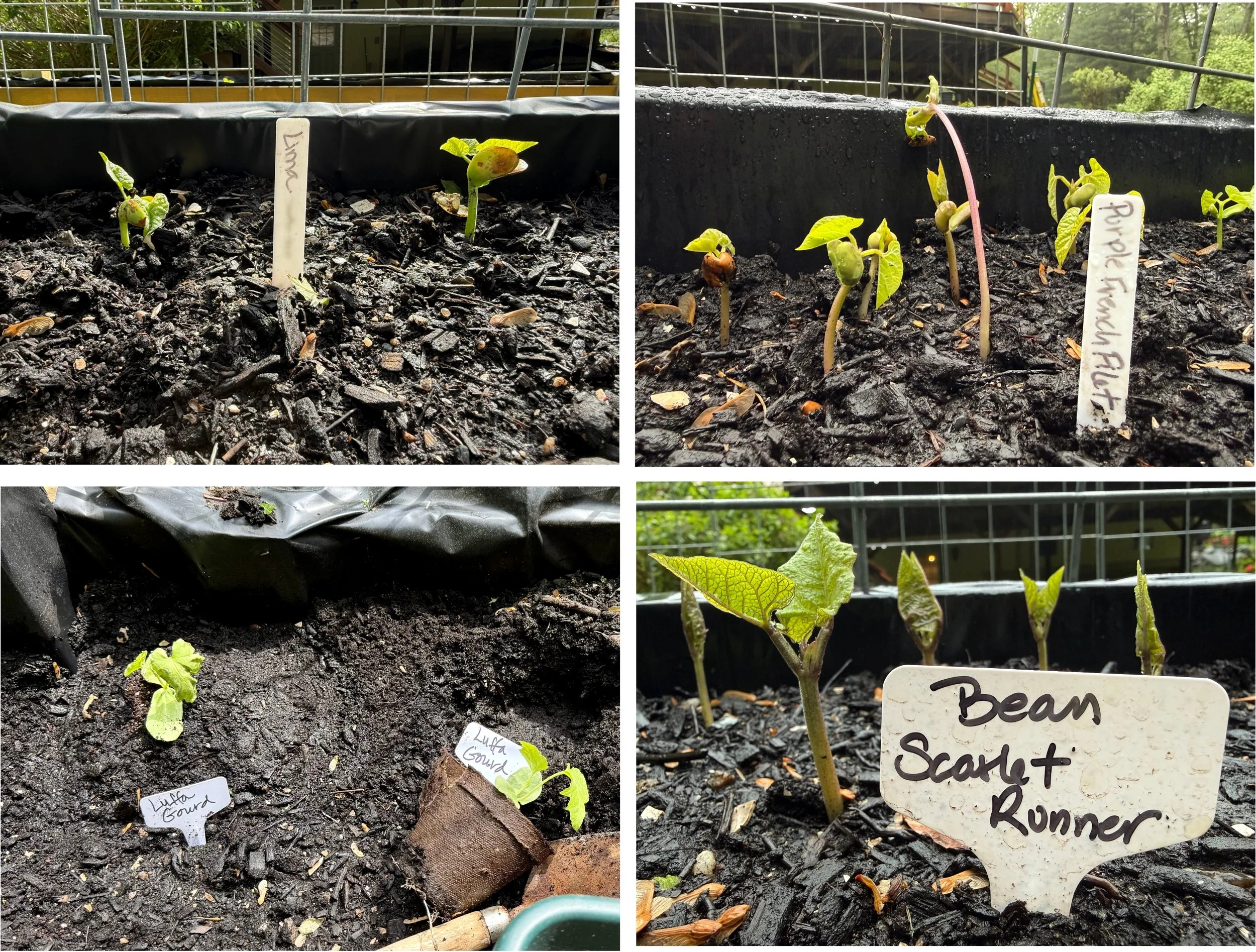
Some seedlings breaking ground.
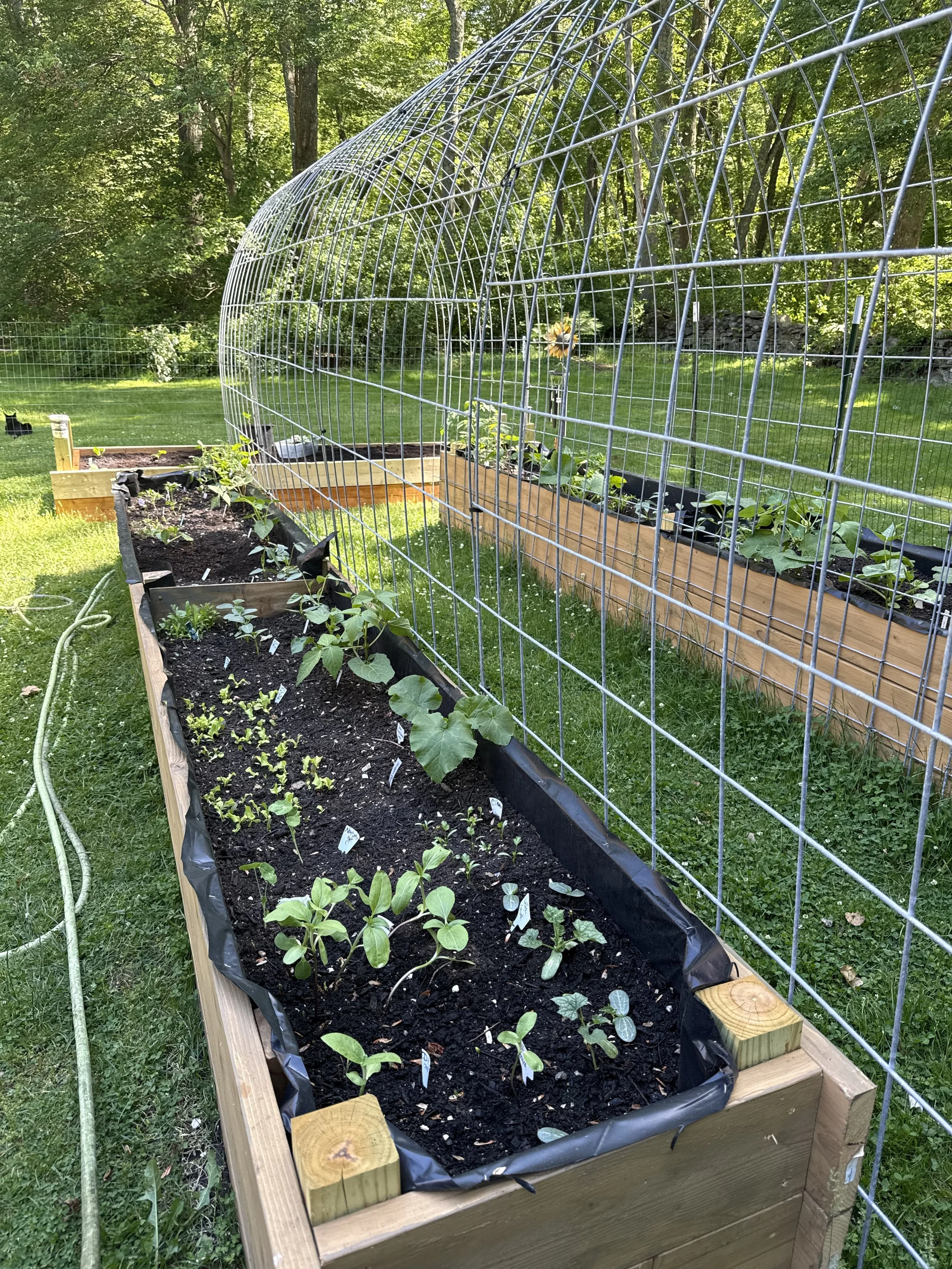
First signs of life. My favorite morning.
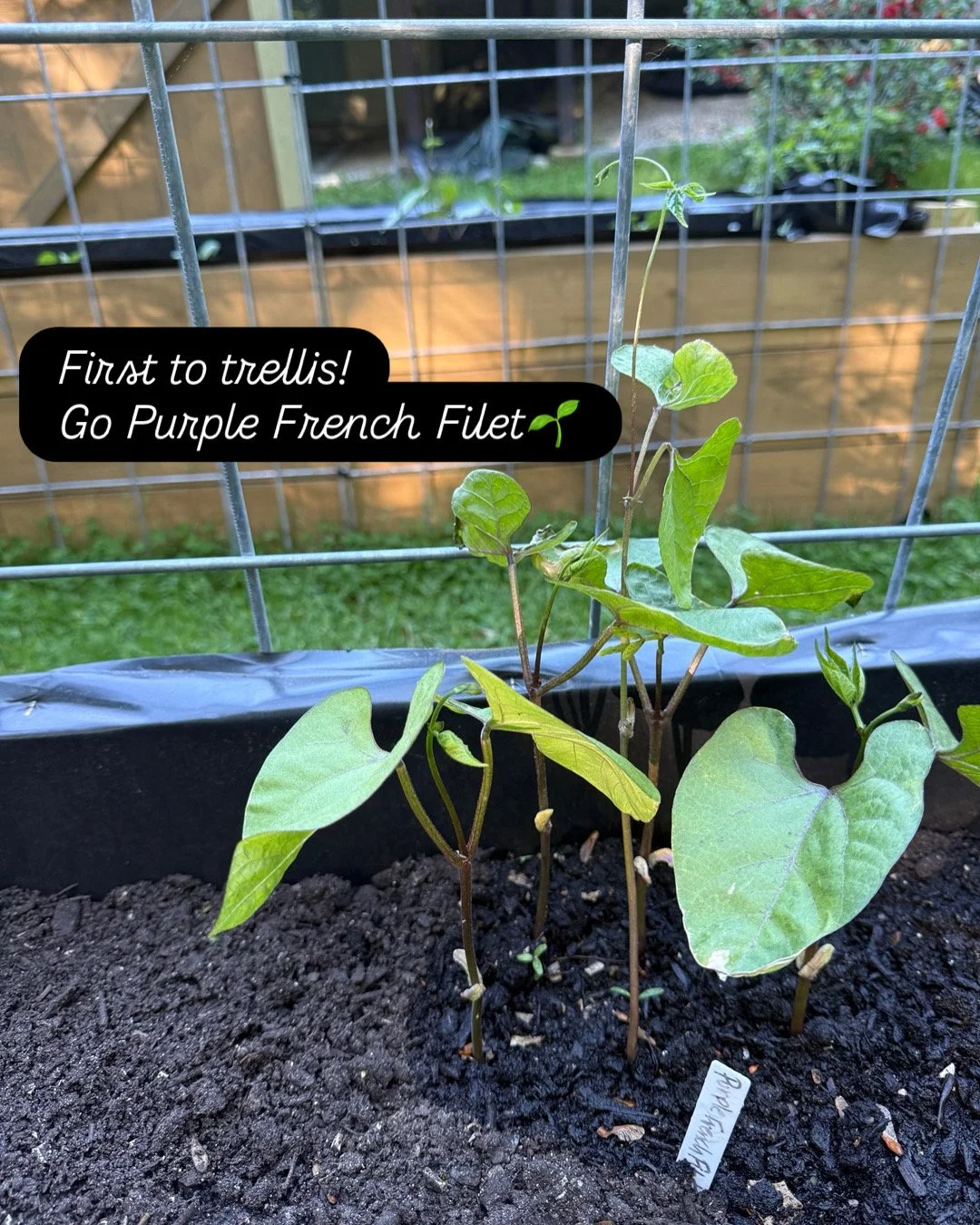
A very proud moment!
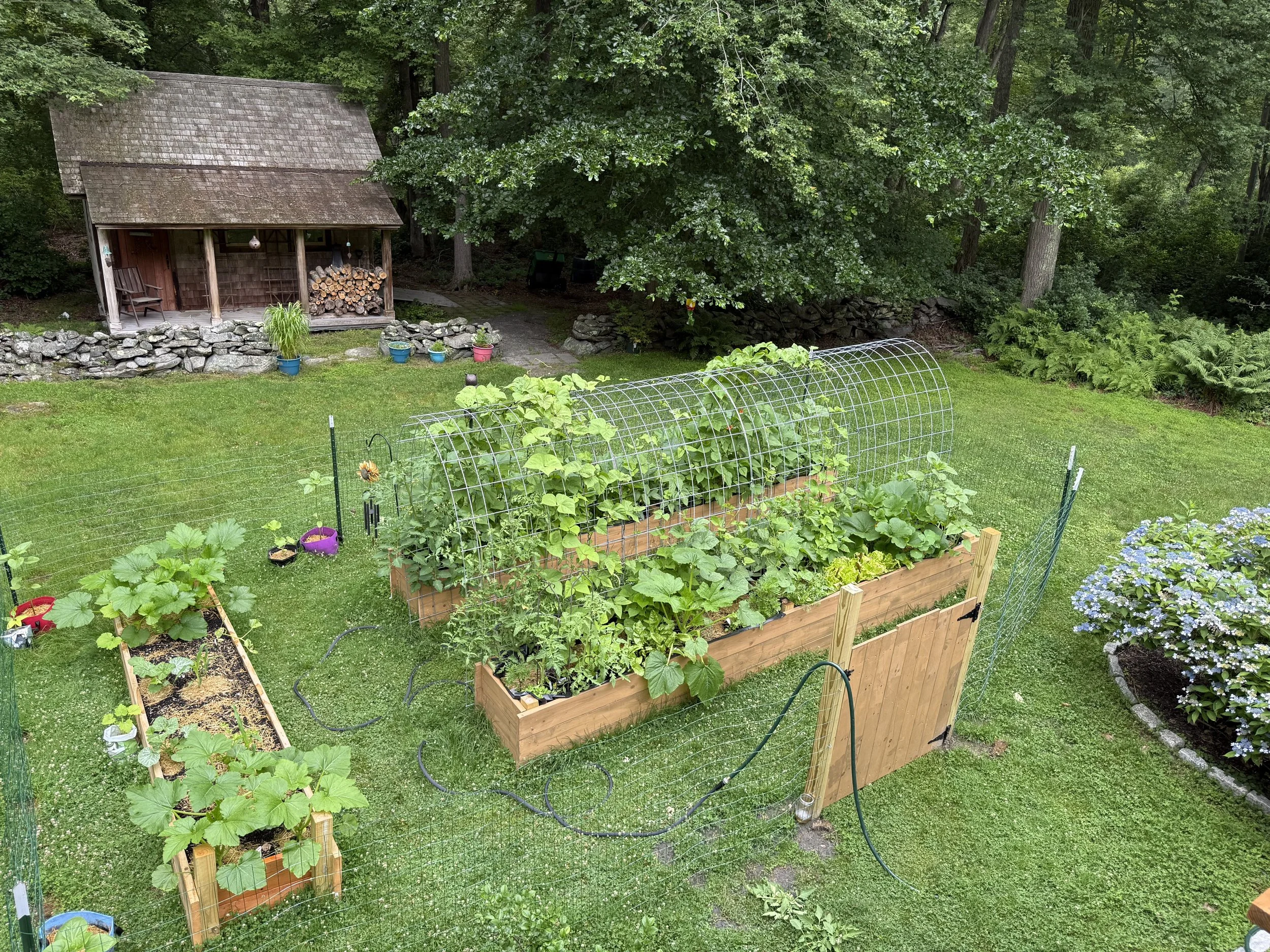
Trellis Tunnel 2026 beginning to take shape!
Where Things Stand: July 26, 2026
Honestly? Mixed results — and I'm choosing to say that out loud because this whole project is about learning in public.
I thought I'd have more vegetables by now. But I've also chosen crops that take their time. Cannellini beans, luffa, and pumpkin all have to fully ripen or go to seed before you harvest them — they're not going to rush for anyone. I knew this going in, but knowing it and waiting for it are two different things.
What I have harvested so far: Sun Gold cherry tomatoes, Blue Lake green beans, and Purple French Filet beans. The harvest basket has been colorful, if not overwhelming.
The Honey Nut squash are vining delightfully — they seem genuinely happy. The cucumbers are just getting started. And the luffas remain a mystery to me, which I find both humbling and fascinating.
One thing I'd do differently: the location.
The trellis gets about 7–8 hours of sun a day, which sounds like a lot until you're growing crops that want full sun all day. The squash don't seem to mind. But certain bean varieties are struggling, and I think they'd be thriving somewhere sunnier. Next season, we move the trellis — or find a sunnier spot for the beans.
What I'm Taking Away
This trellis taught me more in one season than I could have learned from a dozen more YouTube videos. Here's the short list:
🚛 Rent the U-Haul. You can't car-carry cattle panels. Just accept it.
🌱 Direct sow in good soil. When the soil is alive and fed, seeds want to grow. Trust the process.
☀️ Sun matters more than you think. Seven hours isn't eight. Eight isn't full sun all day. Know your site before you plant.
🎯 Choose your crops intentionally. Some of my best producers (squash, cucumbers) are climbing beautifully. Some of my more experimental varieties needed more sun than I gave them.
🪱 Feed the soil, not just the plants. Vermicompost, compost, and Mill grounds have made these beds noticeably richer than anything I've grown in before.
And finally: patience. The luffas are still out there, doing their mysterious thing. I'll report back.
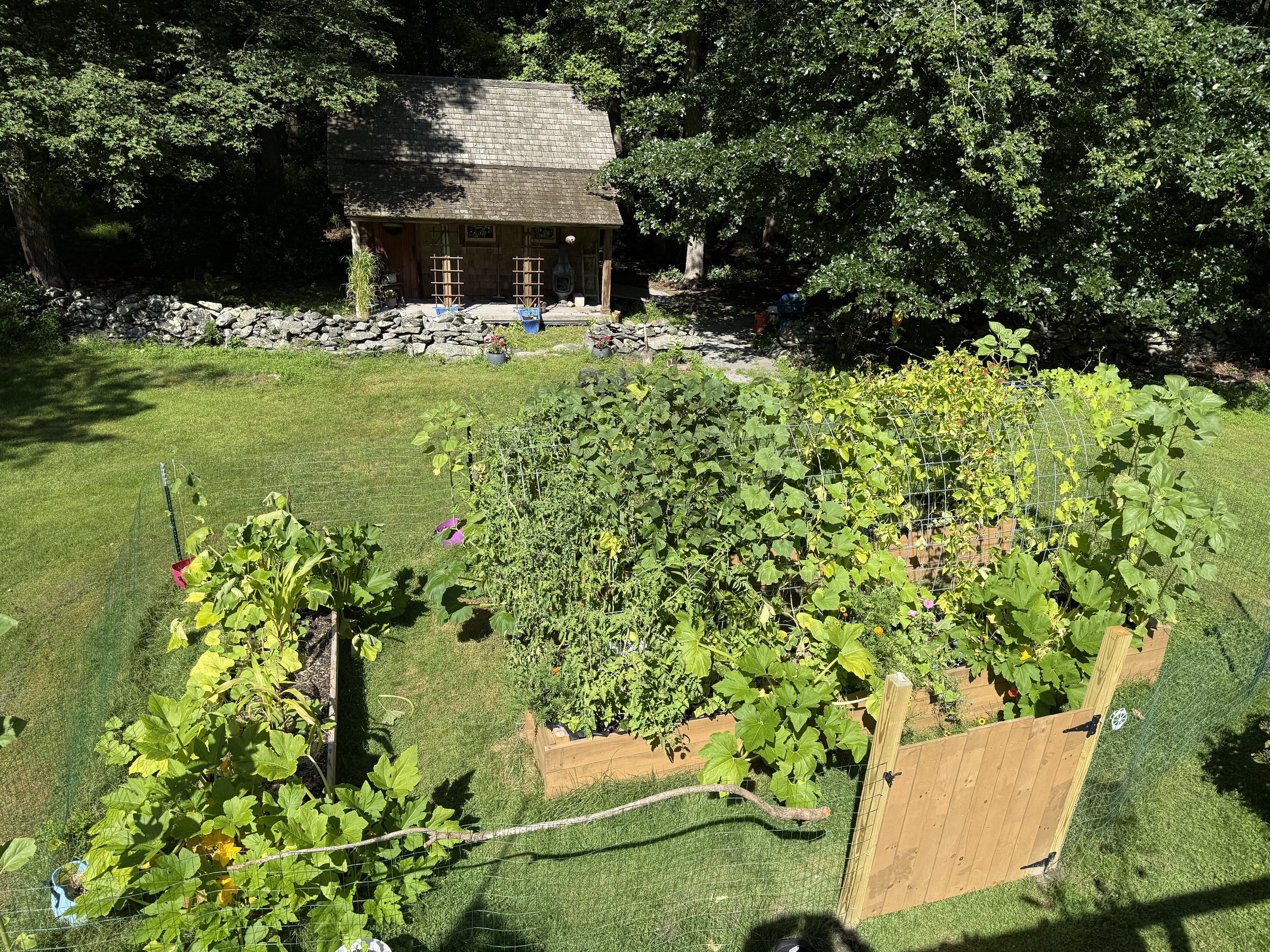
The Trellis at the end of July 2026
Want to see the trellis in person? Book the Garden Gate Experience and come walk it yourself. 👉 Book Your Visit →
Have questions about building your own cattle panel trellis? Send me a note →
— Wendy Farmer, SeedEO
America Way Seed & Soil Co., Jamestown, Rhode Island - Where the future takes root. 🌿
